
Home blood pressure, explained
How to check blood pressure at home, understand the numbers and keep a record. Articles link to the guidelines and sources they use.
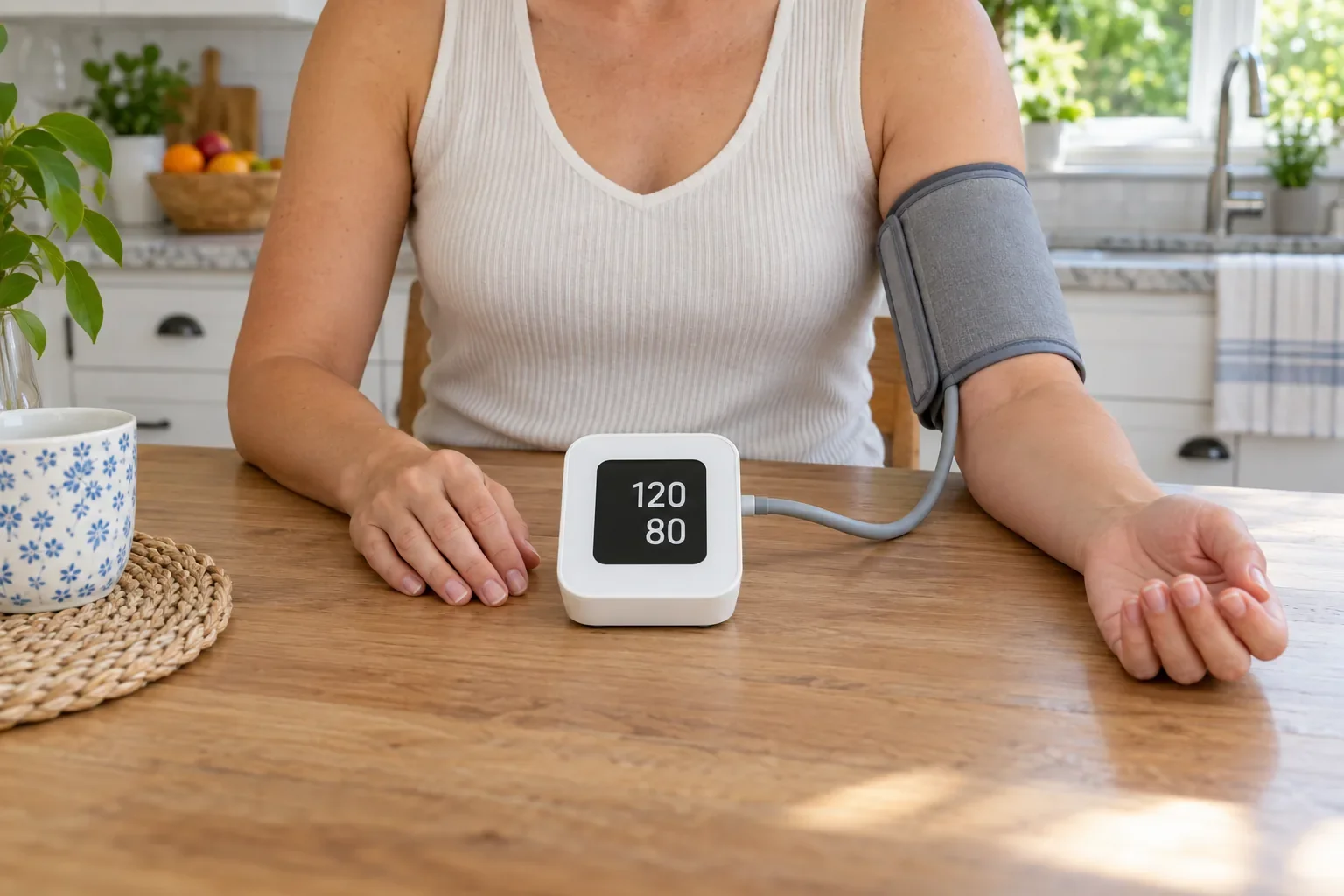
How to check your blood pressure at homeFollow the UK home blood pressure routine: prepare, sit correctly, take two readings and record a full week.
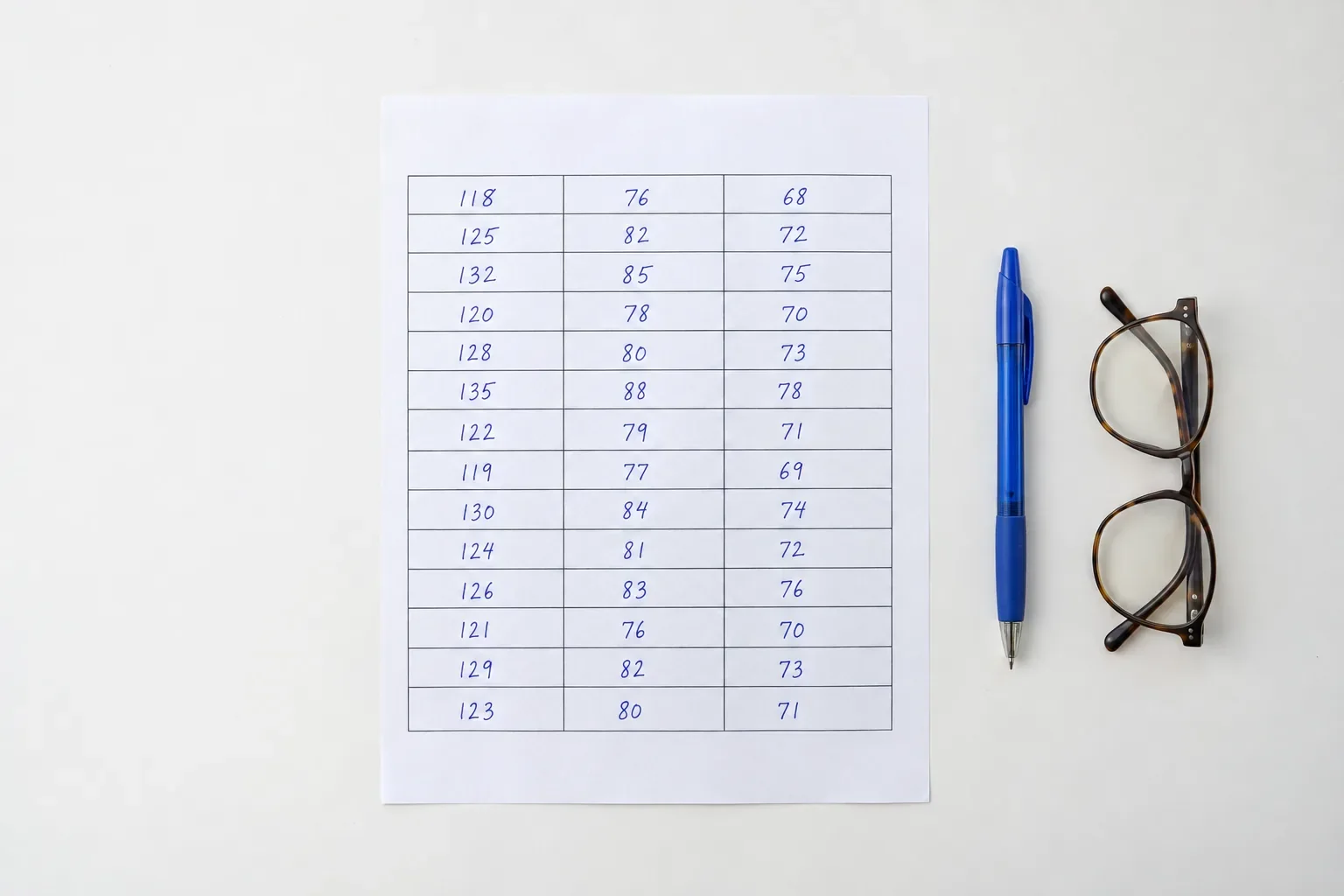
How to keep a blood pressure diary for your GP appointmentLearn what to record in a blood pressure diary, how to calculate the home average and what to take to your GP.


Normal blood pressure by age: why adults do not use an age chartSee the UK blood pressure thresholds for adults, where age affects treatment targets and what to track at home.
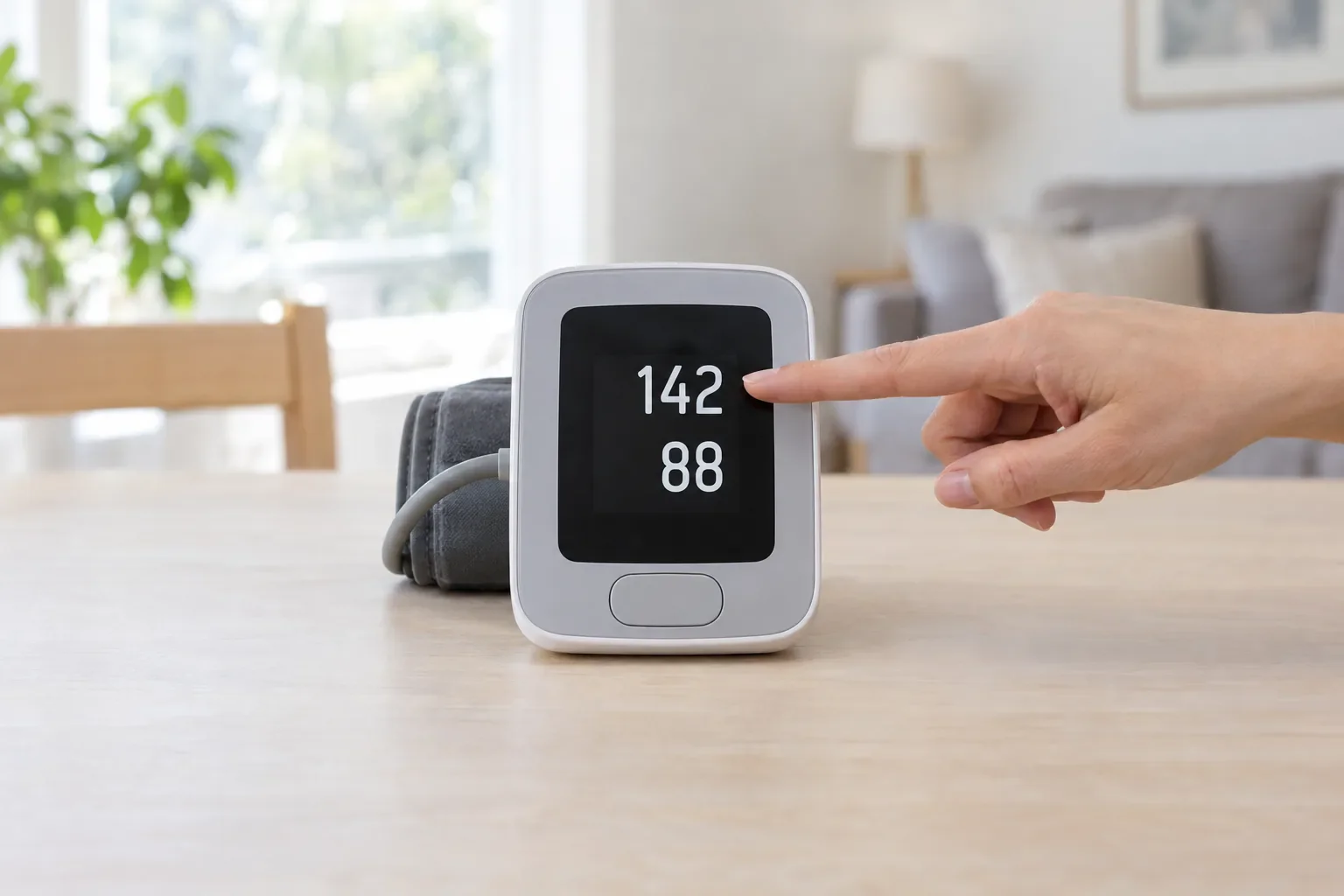
Which blood pressure number matters more, top or bottom?Learn what systolic and diastolic pressure mean, why both numbers matter and how UK thresholds use them.
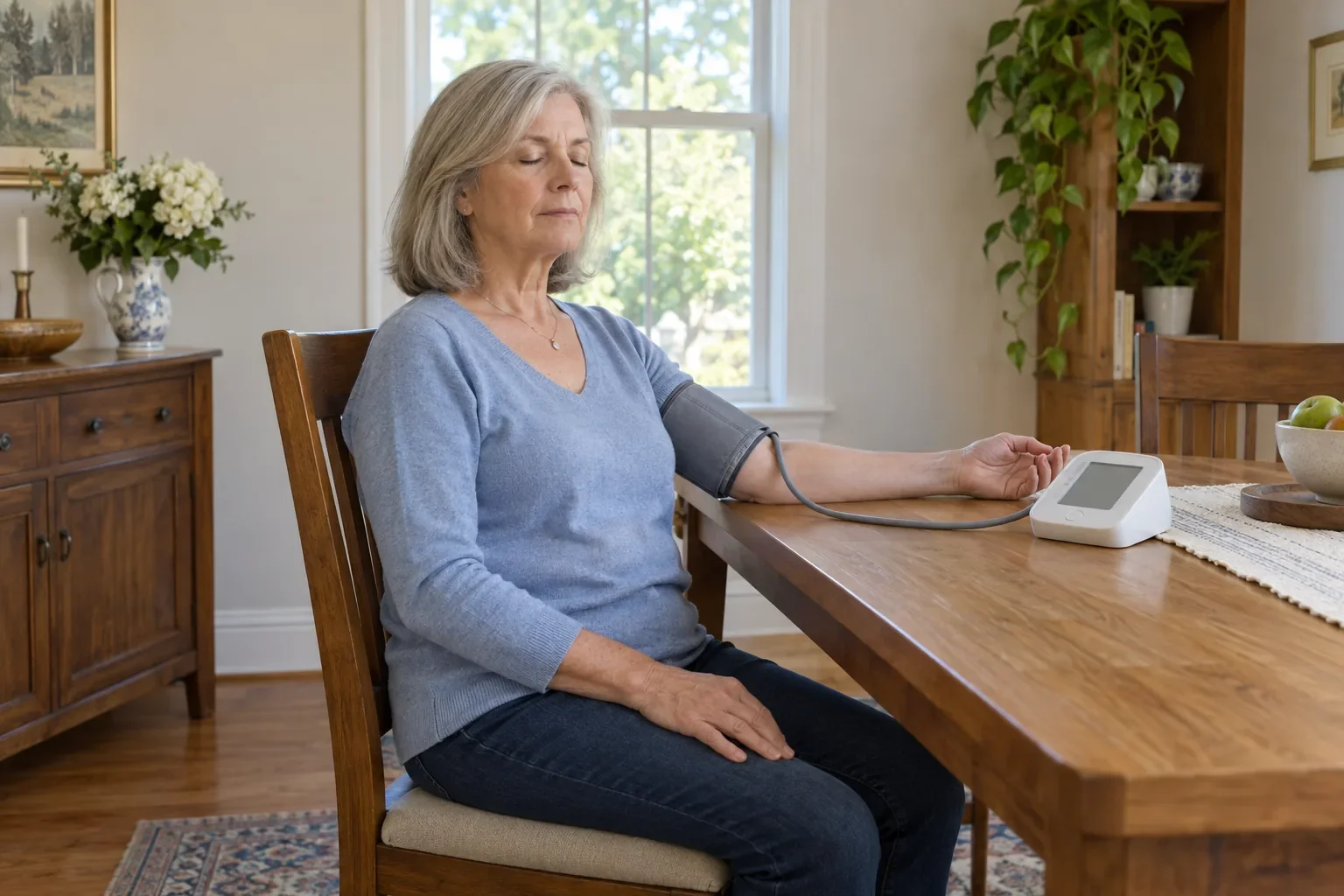
Why blood pressure readings change during the dayLearn why blood pressure readings vary and how a consistent home routine makes the pattern easier to interpret.
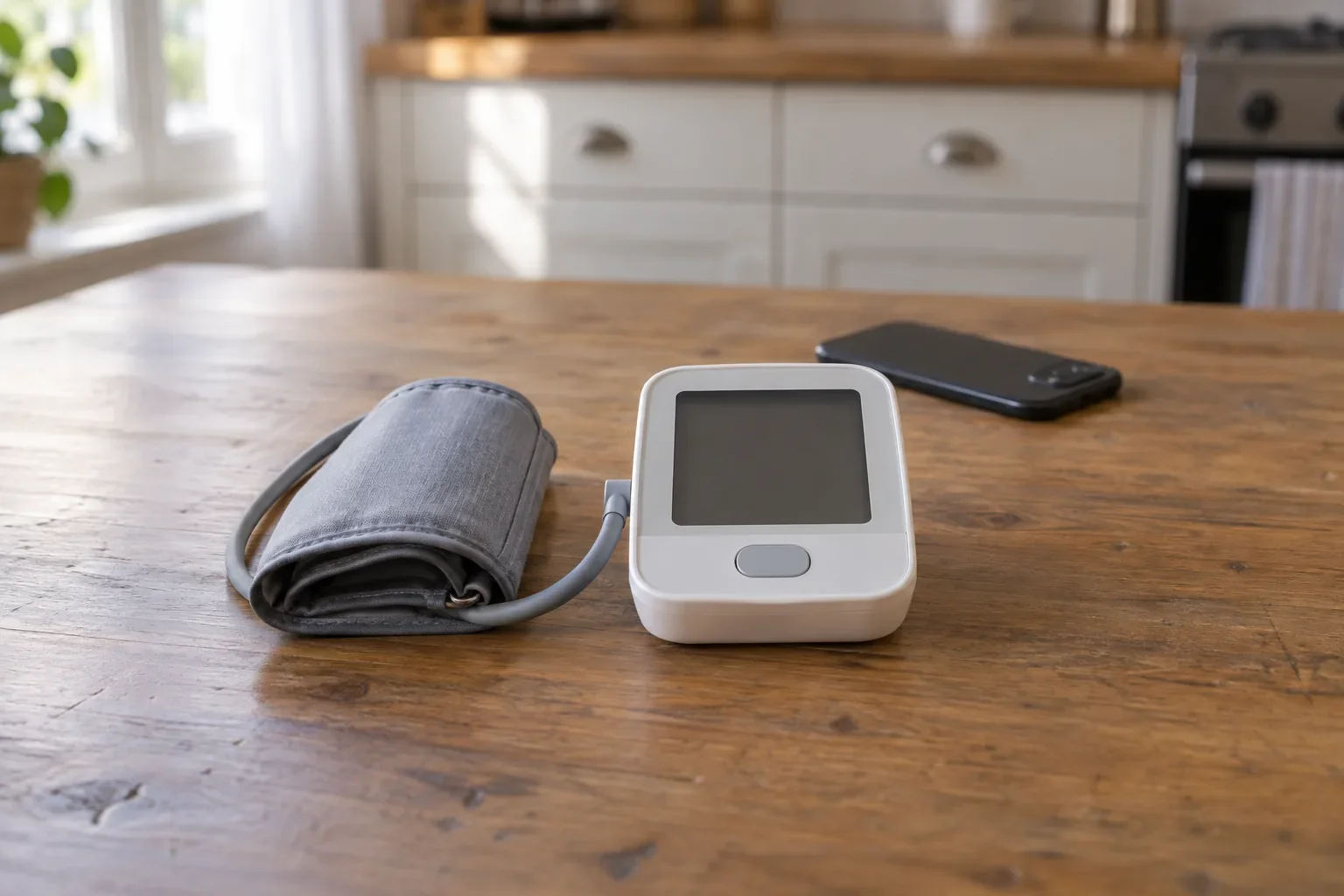
Can you check blood pressure without a cuff?Learn why a phone estimate is not a cuff measurement, what calibration does and where to get a blood pressure check.
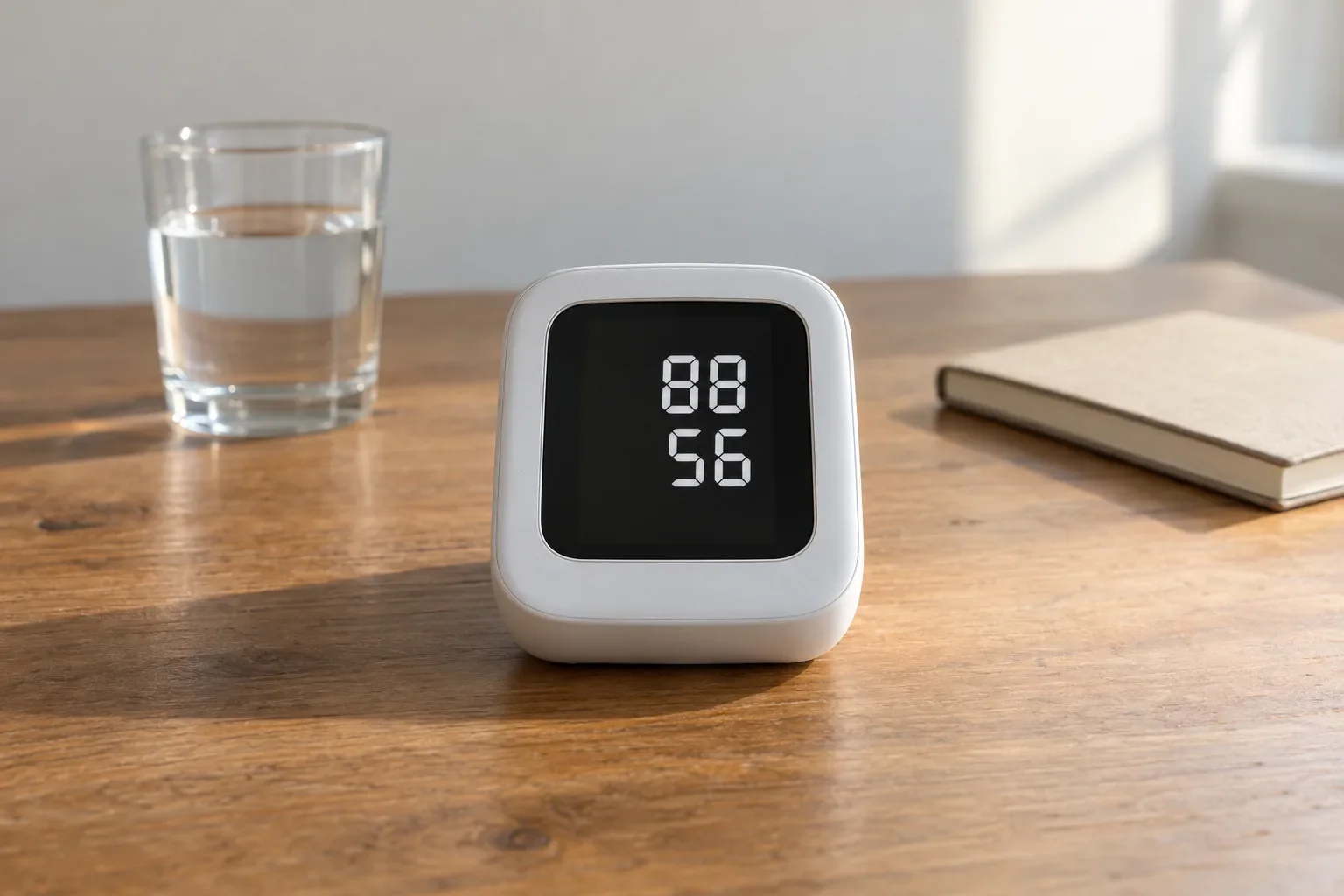
Low blood pressure: what to record and when to see a GPLearn what counts as low blood pressure, which symptoms matter and what to record before speaking to your GP.
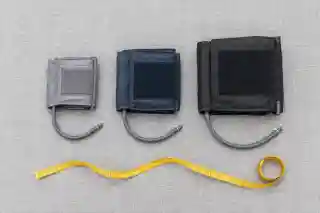
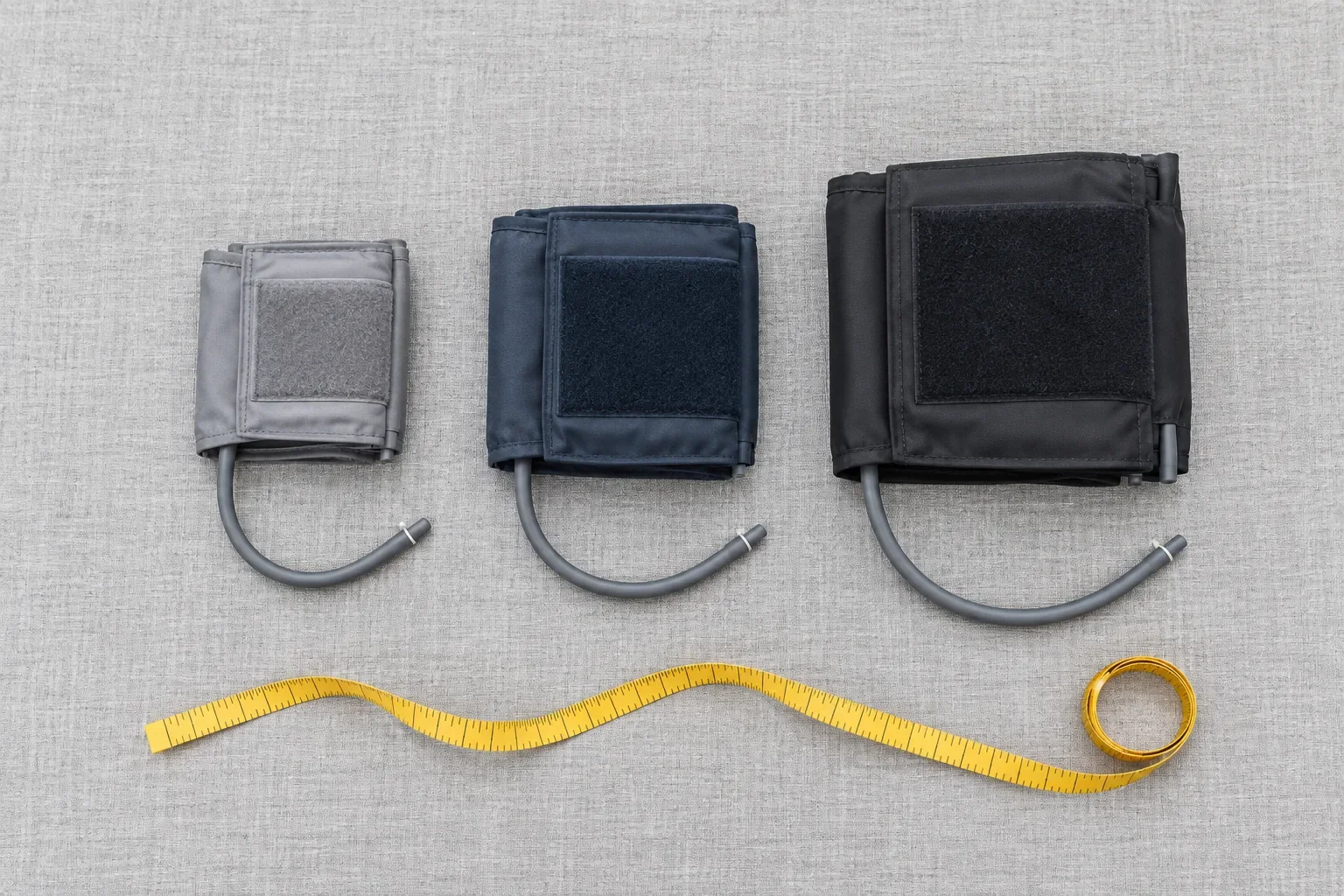
Blood pressure cuff sizes: measure your arm before you buyMeasure your upper arm, check the cuff range and learn how the wrong size can affect a blood pressure reading.
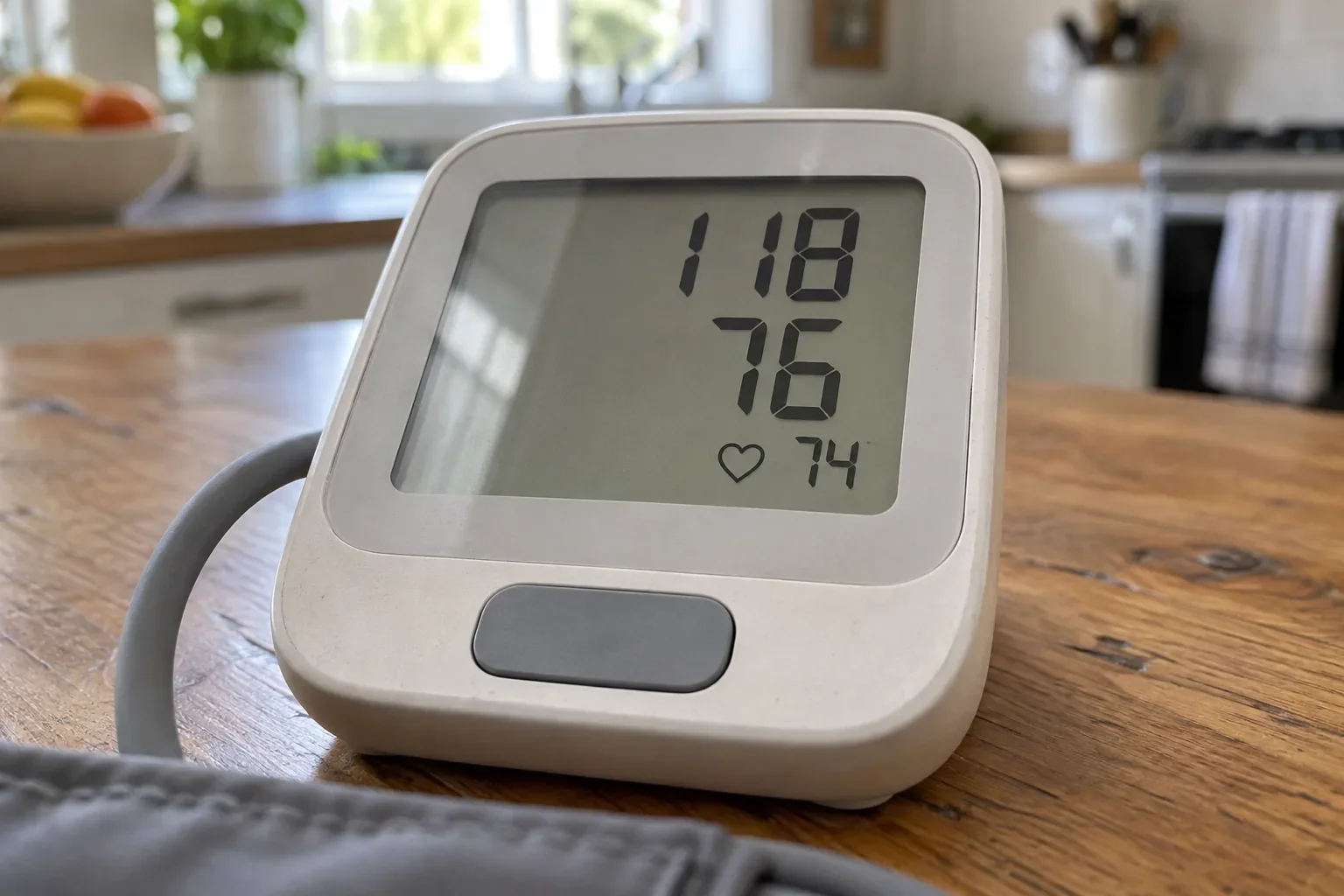
What the pulse number on your blood pressure monitor meansLearn what the pulse number means, how to check a resting pulse and what to record with each blood pressure reading.


Who to contact about high blood pressure: GP, NHS 111 or 999Find the right UK route for high readings and learn what to take to a GP appointment.